Scam Ads Are Everywhere. What Should Platforms Have to Do About Them?
In our first episode, we look at an FTC request for public input on what responsibility online platforms should have when scammers use their advertising tools to impersonate banks, businesses, and government agencies. We explain what the FTC is considering, who could be affected, and how you can weigh in before comments close on November 30, 2026.
Watch or listen:
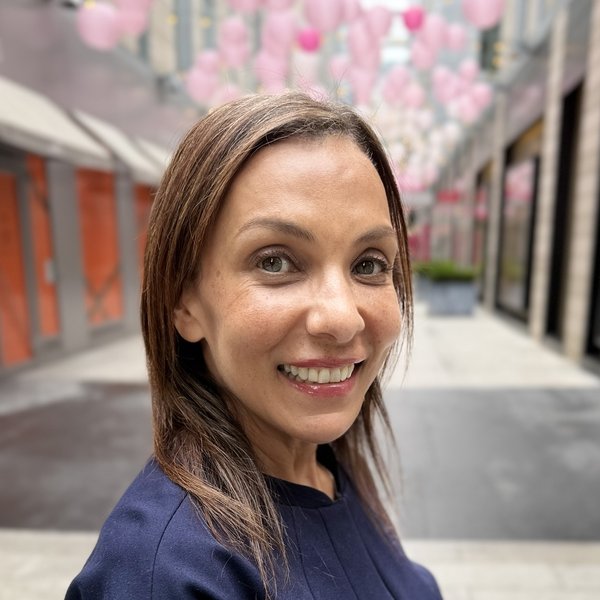
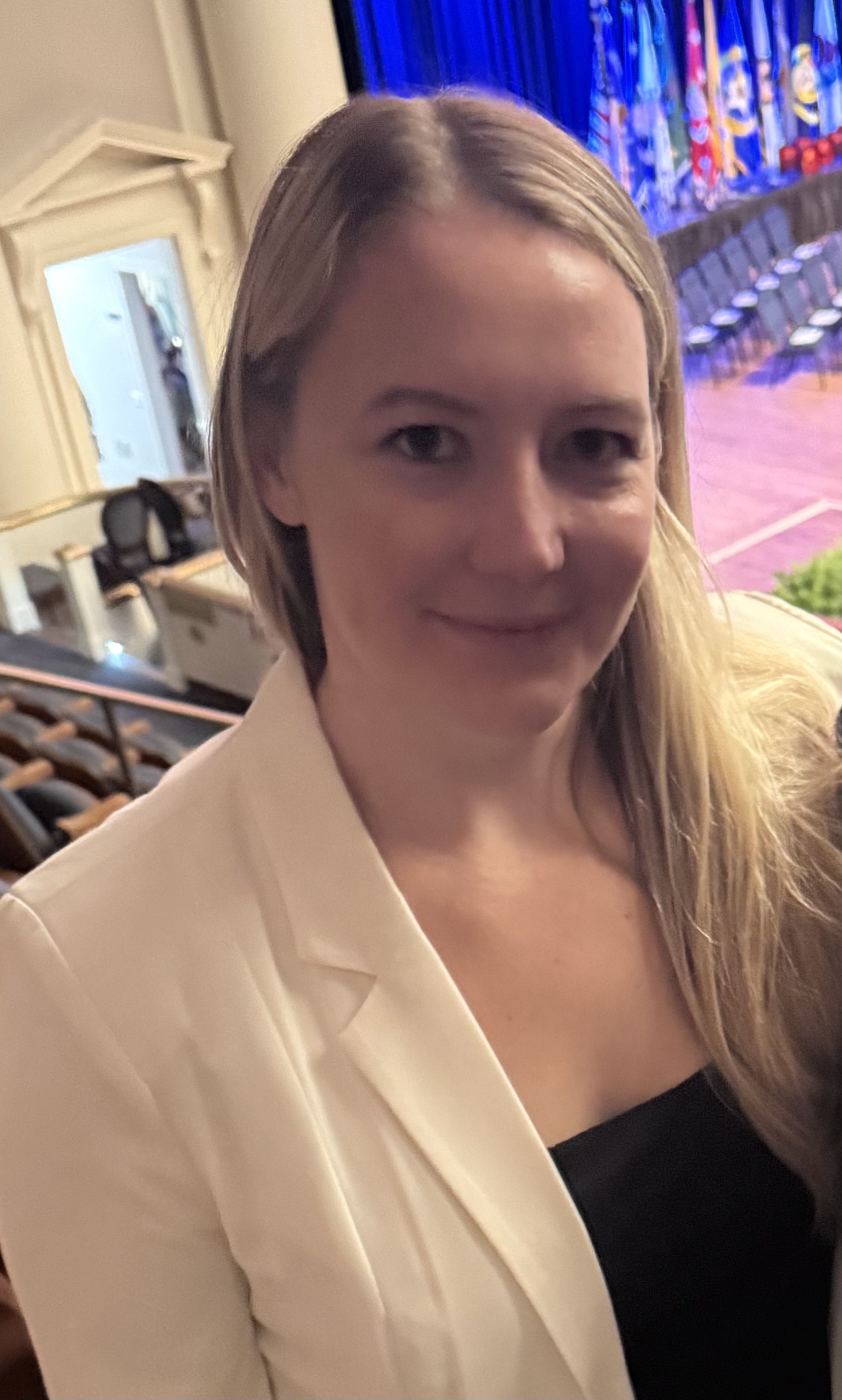
Rebecca Bond & Kristin Stitcher
Former U.S. Department of Justice civil rights attorneys who helped develop federal disability rights regulations.
Want to weigh in on this rule?
The FTC is accepting public comments on this rulemaking through November 30, 2026.
Transcript
Full transcript
Rebecca: Hello, and welcome to our first episode of Regularly Speaking by Public Powered Policy. This is a podcast about helping regular people have a say in the rules or the policies that shape their lives. I'm Rebecca Bond
Kristin: Hi, I am Kristin Stitcher, and Rebecca and I worked together in the Civil Rights Division at the Department of Justice. We were in the office responsible for writing regulations under the Americans with Disabilities Act. So you might recognize, uh, things like curb cuts and ramps and other accessibility requirements.
Those are the types of rules that were written in our office. And I think one of the biggest lessons that we learned from our time at Justice together is that you, the public, you have the power to influence these rules, and, that's why we're here. We're here to help explain how
Rebecca: So you may think that federal rules don't affect you, but really just think about your day. Um, they affect the water that's coming out of your faucet. They affect things like the safety of your kids' school lunch. They really touch everyday life in ways that most people don't realize. And another thing that we found that, that folks don't know is that, um, and maybe we didn't know until we started working on these issues, is that the-- at any given time, the administration will be considering hundreds of rules, and some of those really could affect your daily life.
Before many of those rules become final, you actually have the chance to weigh in, and that is why we created Public Powered Policy.
Kristin: Yes, that is why we're here. That's why we are podcasting today. We want to help, uh, the public, we wanna help you understand what federal agencies are proposing, who it might impact, and, um, help you decide if you would like to submit a comment on it. So I guess especially because this is our first episode, Rebecca, do we w- Yeah.
Yay. Um, do we wanna spend another minute just talking about why we founded Public Powered Policy?
Rebecca: I think that is a great idea. Um, I think it would be an especially great idea if you went first. So,
Kristin: Yes. I would love to. Sure.
Rebecca: Why did you want to start Public Powered Policy?
Kristin: So as I mentioned earlier, Rebecca and I worked together at DOJ on regulations under the Americans with Disabilities Act. And while we were working those, I, I feel like I was just so struck by the power, the impact that public comments can have. You know, a lot of the times the people writing these rules, like us, um, are people who are, you know, maybe hanging out in offices in Washington, DC and don't have a great window into how this rule is actually going to impact lots of different people's day-to-day lives.
And how could they even? So it was just, was really striking to me, and I think to the folks we work with, how important, how impactful these, um, comments can be- really be. And they just don't get... the process doesn't get used a ton, right? I think it feels a little boring. It feels a little bureaucratic, like it's something that happens far away.
So I think, one of the reasons we started Public Powered Policy, it's also is powered with an ED, um, was just, you know, to help get people involved in rulemaking because it really can make such a difference
Rebecca: Yeah. To give kind of a specific example, um, we were working on this rule on medical diagnostic equipment, right? You hear that and it just sounds, like, so technical.
What does that really mean?
Kristin: Lots of words.
Rebecca: it's so many words. And, and, and what we were, what we were really trying to do was sort of take the Americans with Disabilities Act requirement that, you know, people have, equal access to medical facilities, and turn that into something where, you know, say you're a wheelchair user and you can go to the doctor, like what the medical equipment that you would need to get, like, adequately diagnosed would be.
And so we were getting these comments from folks who, talked about how they would go to the doctor's office and could not get weighed, right? And I mean, just think about that for a second. Like, what would that mean in your life if you can't get weighed? And we had folks, like, who talked about, uh, the fact that they were gonna be going into surgery, and they couldn't have their weight taken.
And, so much of, like, how doctors prescribe medications, and certainly if they're giving you anesthesia, they really need to know how much you weigh. And we were kind of getting these stories that were, that were very personal and very real, and really made it clear to us how important-- not only just how important the work we were doing was, but, but gave us perspective on our work that we just wouldn't have otherwise had.
And there are just so many examples of that. And at the same time, while, you know, there were just all these times where we were, we would get these comments and they were very helpful, we weren't getting enough. There was this, this sort of disconnect.
Like federal policies can u- policymakers can use this information, uh, the public has the information, but the information wasn't going from, the, individuals who are having these experience into the hands of federal policymakers. And so that's, what we're trying to do here with Public Power Policy.
Kristin: Yes. Yes. I love that, and I also recall those comments, and they were, yeah, just so striking and horrifying sometimes,
Rebecca: Yeah, absolutely horrifying
Kristin: And I do also just wanna mention for folks while we're talking about Public Powered Policy is that if you are interested in learning more about us, um, you can go to our website, it's publicpoweredpolicy.org.
We'll talk more about it later, but there's also a bunch of in my opinion, great resources there.
Rebecca: They are great resources, not just your opinion.
Kristin: but they'll tell you more about, um, the commenting process and how to submit comments, so feel free to check it out.
Rebecca: And, one thing that we just wanted to, to clarify for everyone from the start, um, is that, we really are not telling you... We don't wanna tell you what to think. Uh, we don't wanna tell you what position to take. We don't wanna tell you whether or not the proposed rules are right or are wrong.
Our goal is to help you understand what's on the table, and then you can decide yourself whether you want to comment. Um, we will explain some, a little bit how to comment, but you can also check out our website, again, publicpoweredpolicy.org. That makes it really clear, how to comment
Kristin: Okay. And then also, again, because this is our first episode, let's take a minute and just talk about what listeners, viewers can expect from our episodes. So each week, we're gonna start with answering a burning question that you might have about rulemaking or a burning question that you didn't even know that, that you had about rulemaking.
Um, and then we will each week feature a rule in particular. We'll talk about what the agency is proposing, who might wanna comment, how you can get involved. Um, and just as a little spoiler, our rule for this week is a rule from the FTC, um, and it is about impersonation scams online. So we'll talk more about that, and then after we talk about that rule, we'll just give you a quick kind of practical tip for how to write an effective comment, one that's, you know, has a higher chance of sticking with the agency, and then at the end, we'll wrap up with some regulated fun.
So it'll just be, you know, like a little fun question, but not too much fun 'cause it's regulated. Um, s- so that's kind of our format. Okay. So turning first to our burning questions about regulatory law. Um, our first burning question is: what is the difference between laws and rules or regulations?
Rebecca: Can I just interject for a second, uh, to share something a little bit embarrassing about myself as a a lawyer and perhaps a law student? So I have to say that I really didn't understand the difference between law and, and rules until my third year of law school,
Kristin: That's 'cause it is confusing.
Rebecca: I know, it is confusing. And it wasn't until I took regulatory law, so I had to have a whole class. Um, so hopefully, uh, we will at least give you some insight into, to what that difference really looks like. So sorry, Kristin.
Kristin: I know. So the basic distinction between laws and regulations or rules is that Congress writes laws, right? And then the law is signed by the president. Federal agencies write rules or regulations. So agencies would be like, like what we did when we were at DOJ, the FTC, the EPA, HHS. These are all acronyms, uh, for these agencies that write regulations.
And, you know, one thing we wanna make sure to mention is that both laws and regulations have the force of law, meaning, right, like if, if you are required to comply with it, you need to do so. Um, and they both shape the policies that impact our everyday lives, kind of what Rebecca was talking about earlier.
Um, so that is the answer to our first burning question.
Rebecca: And I, I would say that, that I have two kind of like different analogies that I would point to kind of in how to think about it. Our friend Rhonda like had this really great way of thinking about kind of laws and rules and how they fit together. Uh, she basically said think of a coloring book, right?
And imagine that laws are the outlines and that regulations are the colors that you use to, to fill them in. And that's, that's one way to think, about the, the relationship between laws and rules. And I just wanna share also another, analogy from, , John Dewey.
And he talked about the public commenting part of, of rulemaking, He said, imagine somebody who's like making shoes, right? And of course, you know, it's kinda old-timey, so he talked about a cobbler. So somebody who's making shoes for you and they're making a pair of shoes for you.
And so they make the shoe and they give it to you and, they don't know like where it's gonna pinch your feet. They don't know if it's gonna rub on your heel. You know, you have to put on the shoes and then wear them, and then you can tell the shoemaker where, the, the pinch points are.
It's a lot of the way that like computer programs are made these days or apps are made. The developer may make something and then put it out in the world in a beta version to figure out like does this work or does it not? Are there things that, that don't make sense?
And they need that feedback in order to know where the, pinch points would be. And so that's what we're kind of have this, this podcast for is to, let you know that you have the power to tell federal policymakers what the pinch points of a particular rule might be.
The rule that we're talking about today is actually what's something that's called an advance notice of proposed rulemaking, and it's put out by the Federal Trade Commission.
It's about government and business impersonation scams online. So first you may be wondering, when you're talking about impersonation scams, what is that? Um, so imagine you search online for your bank's customer service number, and you get a result, and then, you get a sponsored result, and it looks like it's from your bank.
It has the name, it has the logo, the whole shebang, right? And so then you click on it or you call it, but it isn't your bank. It's a scammer who's trying to get your account information or your money. Or maybe say you're looking for information about Social Security or another government bene-benefit, and you see an ad and it looks official, and you're like, "Great, I found what I need," and they offer to help, but it actually isn't from the government.
And those are the types of scams that we're talking about. And the FTC, uh, the Federal Trade Commission, to their credit, already has a rule that prohibits scammers from impersonating businesses and government agencies. But now the question that the Federal Trade Commission is looking at is another piece of the problem, and it's what responsibilities do the platforms, the online platforms that carry those ads and potentially help create or target or deliver those ads, what responsibility do they have for those scams?
And when I talk about platforms, I mean like anywhere you might see the ads. It could be Google, it could be Facebook, kind of just a wide range of different types of places where you run across ads.
Kristin: Yeah, I feel like these can be so hard to identify too. I was actually talking with a neighbor the other day, and they ran across one that looked like it was from the church that they
Rebecca: Wow!
Kristin: to. Yeah. Yeah. It was, it was wild. Um,
Rebecca: That's sophisticated
Kristin: yeah. Yeah. Yeah, exactly. Um, okay, we're gonna talk more about th- the substance of the rule in a moment.
But before we get into that, um, I just wanna spend an extra minute on, the term advance notice of proposed rulemaking or ANPRM. Basically what that means is that it's a really early stage in the rulemaking process. The FTC is not yet at the point of proposing specific, requirements for the rule.
Instead, they're at this kind of like more preliminary stage where they're gathering important information. They wanna know what the public, um, and stakeholders are thinking so that they can really figure out how they wanna shape and drive, um, even just their, their proposed rule. So that means this is a really great time to get involved, to comment on the rule, because it's an early opportunity to have a say and maybe, really help shape the agency's thinking
Rebecca: I think that's a really great point. Um, because it's so early, the information that you provide at this point could really help those people who are writing the rule kind of understand what issues, you may be facing.
Kristin: Exactly
Rebecca: um, so just-- I just wanted to get back for a second to this idea of, of the platforms.
Um, and you know, uh, I think that, that one of the things that you have p- likely noticed is that these platforms, they don't just sort of passively host ads. Um, they can target ads for you. So like, you know, you might have the experience, say, say you wanted to buy a new pair of running shoes, like I, you know, aspire to, to go running from time to time.
Say I want a new pair of running shoes, right? And, um, I go online and I start, , looking for them, or I click on an ad for-- that I see for shoes. And then, like, I start getting targeted with like more ads that are either for running shoes from different companies or for other kind of running, um, like running clothing and things like that.
That's to some extent like how the targeting is supposed to work. They're targeting, you know, these are other legitimate retailers who are trying to get my, my business based on the information that I may be interested in running. And so the concern is that the same tools that can be used for legitimate businesses can also make it easier for scammers to create a convincing ad and get it in front of the right people.
I mean, like the example that Kristin just mentioned is so horrifying, where members of a church were targeted by a scammer who was pretending to be that church. I mean, that is just-- that's just so nuts. And so the Federal Trade Commission is asking about scams that impersonate government agencies, banks, retailers, and other legitimate businesses.
Think about what happens when you see an ad online that seems to be from a company you know or a government agency. You know, what made it seem legitimate? Where did it show up? What happened when you clicked? That's the kind of information that can help the FTC understand how these a- these scams work in practice.
And if you've come across a scam online and reported it to the platform, right? So you see something on Google, you realize it's a scam, you report it to Google. What happened? Did, Google respond? Did they take down the ad, um, or did you see the ad appear again a few days later? Uh, th-this is all the type of information that could be useful for the FTC to hear from you
Kristin: Totally. Um, and then consumers, of course, will have a lot of great information, helpful information to share, but you also might wanna consider commenting if you own a small business. Maybe your business was one that was impersonated online, you know, someone pretended to be you in an ad. Um, or if you advertise online and you have, experience with getting verified by these platforms, right?
Like, what is that experience like? Maybe one of your ads was mistakenly flagged as a not legitimate ad. These are all the types of things, that you might wanna let the FTC know about. And then also, of course, if you work in advertising, tech, cybersecurity, um, or fraud prevention or government, you also might have insights into what types of safeguards might actually work, right?
Like, what, um, could the F- FTC require that these platforms do that would be feasible and, and successful in helping to, stop some of this, um, fraudulent activity and in fact, the FTC, in the rulemaking document itself, the ANPRM, they ask a bunch of questions, particularly for folks in the groups that I just mentioned.
Rebecca: And I think what's so great about that is that, the agency should be, and it sounds like they are, trying to get, like, a 360-degree view of what's going on. So it's not just the consumers, it's the, you know, the advertisers and, and tech folk. And so, um, there are a really wide variety of folks who, should provide comments.
One of the things I think that is really key to keep in mind, uh, about commenting is, you don't have to be a lawyer. You don't have to understand the law. If you look at the, the ANPRM, there are lots of questions. You don't have to comment on every question.
The key is really just to tell the agency what you know. You're the expert in your own life and your own lived experience. And so that's the information that agencies need. Just like the folks I was talking about earlier who would describe what it's like when they go to the doctor, it would be useful for the agency to know what it's like when you see scams online, and if you've clicked on them, and how platforms have responded.
Um, and so that type of information is really useful. What did you notice? Who do you think could be affected, and, and why? And, because this is an ANPRM, you can also ask and, and suggest questions that you think the FTC should be asking before it drafts the proposed rule. So you can tell them what areas of inquiry you think they should go down.
Kristin: Yeah, it's a really great, um, time or part in the process for folks to get involved now. Okay. So let's talk about the nitty-gritty of commenting. Comments on this ANPRM are due by November 30th. Um, so you have a good amount of time still. You can submit a comment on regulations.gov. We will actually just drop a specific link to it in our show notes.
And just bear in mind, if you're commenting, that it will be posted on the kind of public-facing docket, which means it's, you know, viewable to anyone. So it is, you know, your responsibility to leave out any sensitive or confidential or proprietary information. Um, but again, like Rebecca said, um, the big takeaway for today is to let the agency know what you know, what your experiences are, so that you can help shape this rule
Rebecca: Yeah, if this could affect you, it could affe- if it could affect, you know, you personally or your family, your business, your customers, your organization, take a look at the ANPRM. If you have useful firsthand information, consider sharing it.
Kristin: Okay. Time for regulated fun. This week's quick regulated fun question is, it is October, the season of Halloween candy. What is your favorite Halloween candy, Rebecca?
Rebecca: Halloween. I love it to this day. I loved it so much when I was a kid. Um, I know. I would say that I think my favorite thing, like when I was a kid, the thing I would trade for would be the, like the, the little Butterfingers. Like, they're just so crunchy and tasty, a little salty. Um,
Kristin: The fun size ones?
Rebecca: Well, I mean, who doesn't like a
Kristin: You're like any size
Rebecca: Who doesn't like a full
Kristin: size.
Rebecca: Know, a, a, a full size, but the fun size ones will, will do as well. So I think that's my favorite. What about you? What's your favorite?
Kristin: I think when I was a kid, my favorite was Twix. That was definitely, I would, I would definitely barter for a Twix. Now it is Reese's, but specifically the pumpkin-shaped ones. The, the, the peanut butter to chocolate ratio is just perfection. I even... I'll throw them in the freezer, you know, have them like a day later.
Oh, it's so good. So yeah, those are, those are my... And it doesn't hit the same if it's not the, the pumpkin shaped,
Rebecca: Okay. Okay. Well, that is good to know. Uh, all right. Well, thanks everyone for listening to Regularly Speaking by Public Powered Policy. Please check out our website at publicpoweredpolicy.org. It has information about the regulatory process. It's got, like, terminology and a glossary. It'll tell you how to submit comments if you're ready to.
Um, and if you're interested in seeing what other rules are out for public comment, you can go to regulations.gov and to look around and to submit a comment
Kristin: And if you wanna get in touch with us, which we would love, we would love to hear from you, um, you can find Public Powered Policy, as well as the two of us on LinkedIn. Feel free to shoot us a message. Let us know if there's a rule you think we should talk about, if there's another topic you'd like to hear about.
Rebecca: If you like this episode, please, uh, like us, uh, on whatever platform you're viewing us on. Subscribe, share it with friends who might be interested in learning more about what they can do to impact federal policy.
So take care until next time, and Happy Halloween, everyone.
Kristin: Thanks for listening
Have something to say about this episode's rule? Comment on regulations.gov (opens in a new tab) before November 30, 2026.